Help Desk: (651) 328-8905
Sales Inquiries: (651) 323-1775

Twin Cities City Guide: Ballparks, Fairs, and Landmarks Across Minneapolis and St. Paul
The Twin Cities sit where the Mississippi River carves through the heart of Minnesota, joining two distinct downtowns into one of the most livable metro areas in the country. Minneapolis and St. Paul share a river, a skyline, and a deep love of the outdoors, and together they hold an unusual mix of world-class art, championship sports, historic architecture, and lakes and trails woven right through the city.
This guide brings together ten of the region's most rewarding landmarks, spanning its history, culture, sports, and everyday life. From a skyline ballpark and a hockey arena to the Great Minnesota Get-Together and a marble Capitol crowned in gold, each destination shows a different side of the Twin Cities.
Whether you are visiting for a weekend or you already call the area home, these landmarks are worth knowing. Each one links to a closer look, so you can plan a visit and discover the stories behind the places that make Minneapolis and St. Paul special.
Table of Contents
1. Target Field in Minneapolis, Minnesota
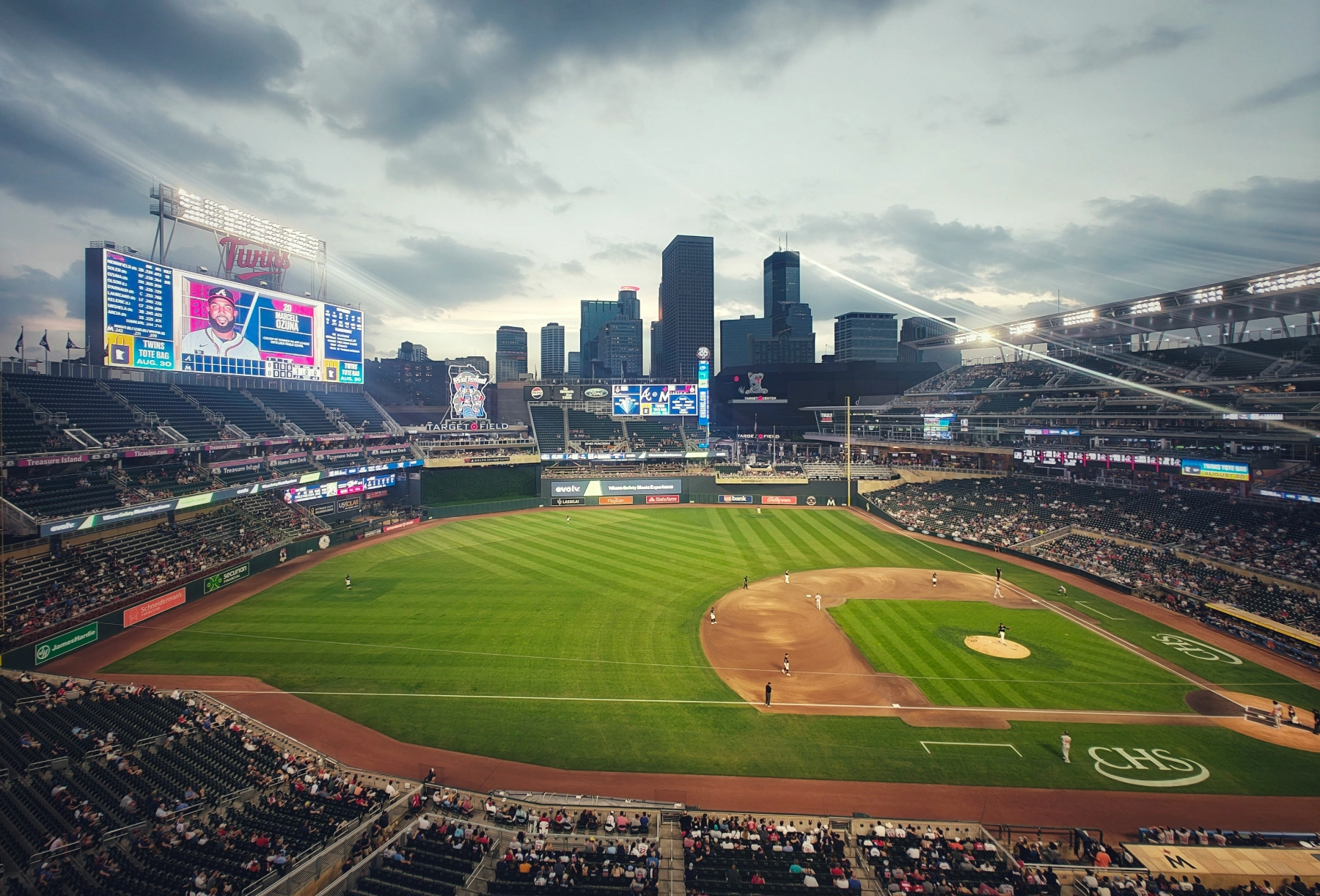
Target Field is the home of the Minnesota Twins, tucked into the North Loop on the western edge of downtown Minneapolis. Opened in 2010, it brought outdoor baseball back to the city after decades under the Metrodome roof, and it was designed from the start to show off the skyline, the weather, and the neighborhood around it.
Wedged into a tight urban site between rail lines and downtown streets, the ballpark feels woven into the city rather than dropped onto a parking lot. Fans reach it easily by light rail, gather along Fifth Street before first pitch, and take in a distinctly Minnesota night at the ballpark.
Best Time to Visit
Summer evenings for the classic skyline-at-sunset experience.
Weekend afternoons for bright, family-friendly day games.
Rival matchups and promotional nights for the biggest crowds.
Spring and early fall for cooler, comfortable innings.
Highlights
The skyline views: Downtown Minneapolis framed beyond the outfield.
The open-air design: Minnesota limestone and one of the greener ballparks in the majors.
The North Loop: Restaurants and breweries steps from the gates.
2. Como Park Zoo & Conservatory in St. Paul, Minnesota
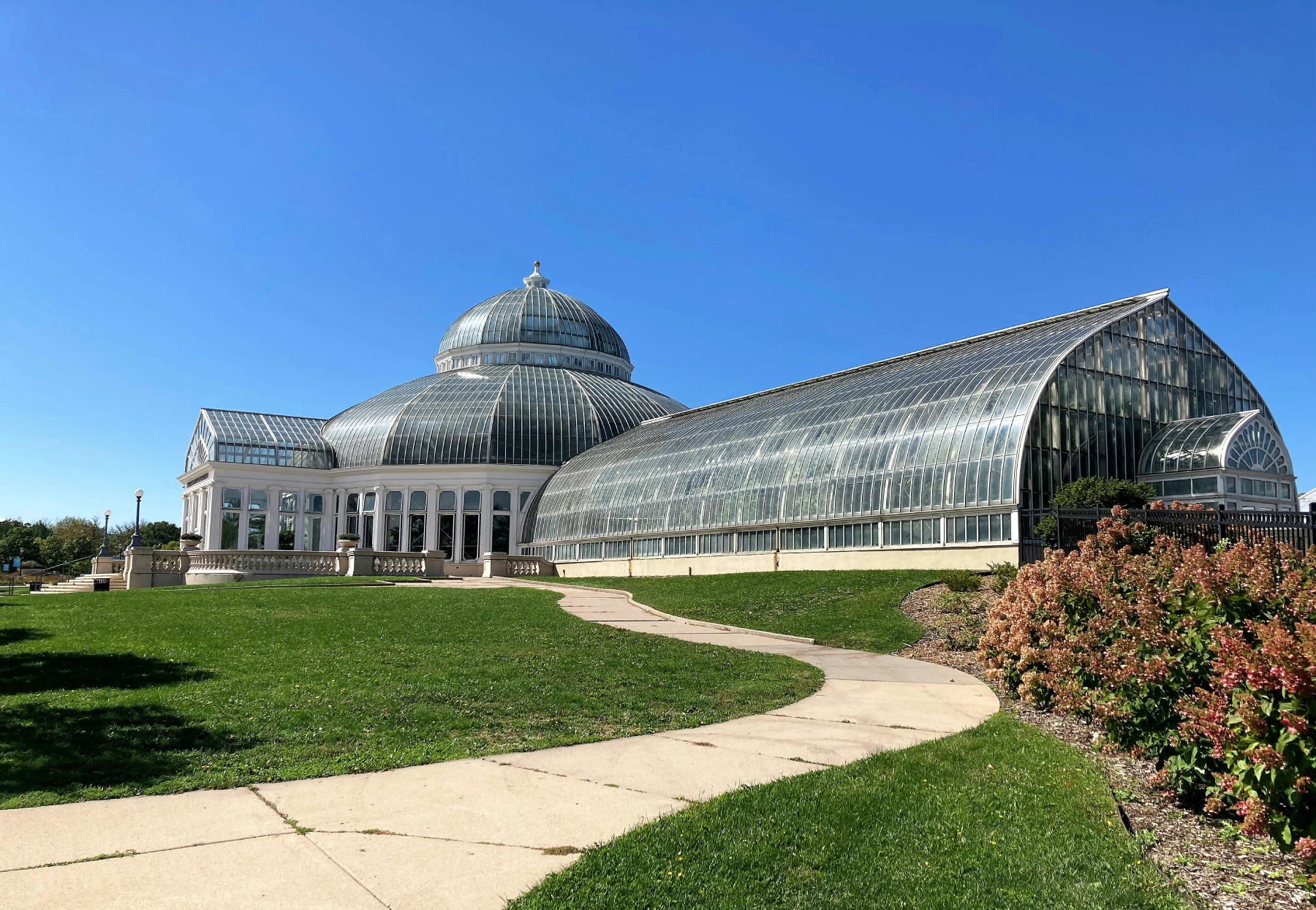
Como Park Zoo & Conservatory pairs a historic zoo with a Victorian-style glass conservatory, all in one free St. Paul destination. For more than a century it has welcomed families to see everything from polar bears to palm trees, drawing close to two million visitors a year without charging admission.
A short walk connects the two attractions, so you can move from a sea lion show to a towering palm dome in minutes. Add the surrounding Como Park, with its rides, carousel, and lake, and it becomes an easy half-day out for visitors of every age.
Best Time to Visit
Weekday mornings for the quietest galleries and exhibits.
Warm summer afternoons for the sea lion shows and Como Town.
Winter for the warm conservatory and holiday flower show.
Spring for fresh blooms in the sunken garden.
Highlights
Free admission: A community treasure open to everyone, every day.
The Marjorie McNeely Conservatory: A historic glass palm dome and sunken garden.
The zoo: Big cats, primates, and sea lions in a compact, walkable layout.
3. Xcel Energy Center in St. Paul, Minnesota
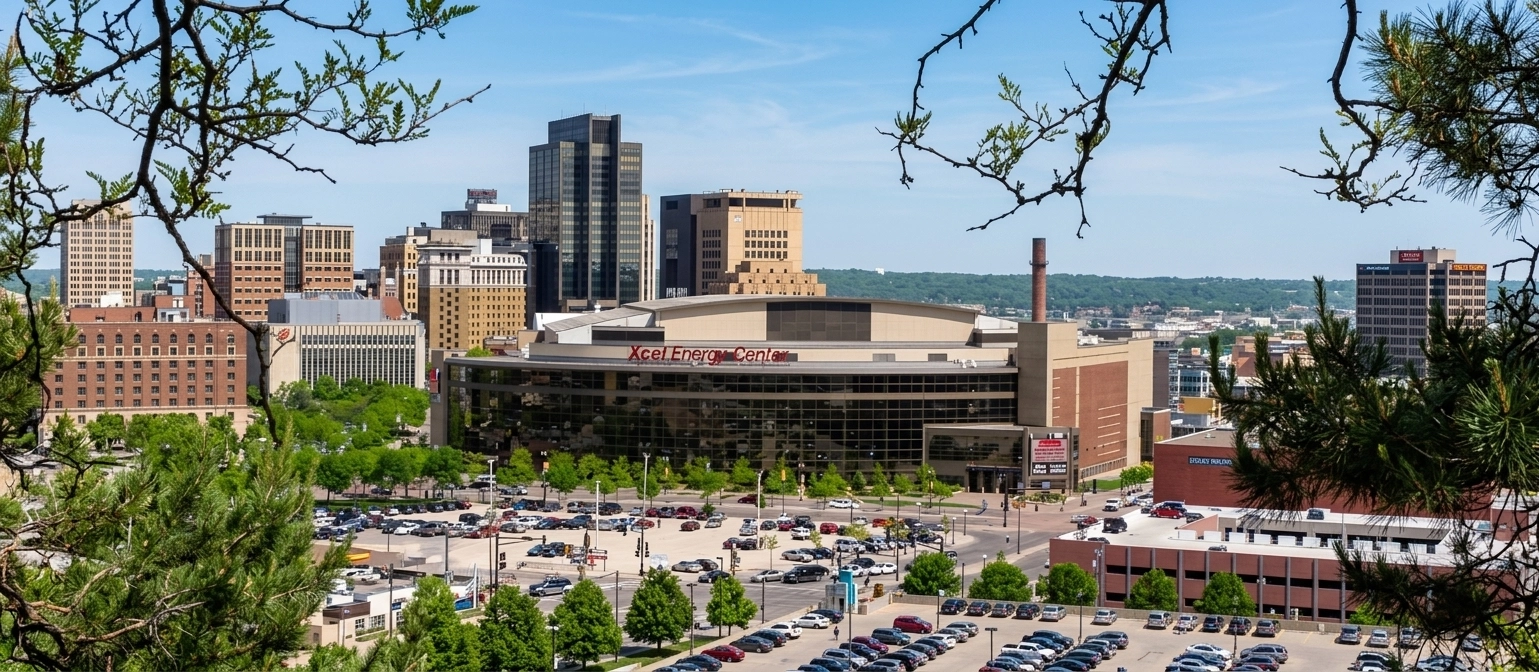
Xcel Energy Center, known to locals as the X, is the beating heart of downtown St. Paul and one of the most respected arenas in the country. Since opening in 2000, it has been the home of the Minnesota Wild and the stage for the biggest concerts and events the city hosts.
Fans and touring artists alike rank the X among the best arenas anywhere, praised for its sightlines, its sound, and the wall of noise its crowds generate. Connected to the RiverCentre and steps from the Mississippi, a night at the X naturally spills into downtown St. Paul before and after the main event.
Best Time to Visit
Wild home games in the fall and winter for hockey at its loudest.
Concert and event nights across the calendar.
The state high school hockey tournament each winter.
Any night paired with dinner in downtown St. Paul.
Highlights
Minnesota Wild hockey: One of the loudest, most passionate crowds in the league.
Major concerts: A favorite tour stop with top-tier acoustics.
A downtown anchor: Connected to RiverCentre and the St. Paul riverfront.
4. Minnesota State Fair in St. Paul, Minnesota
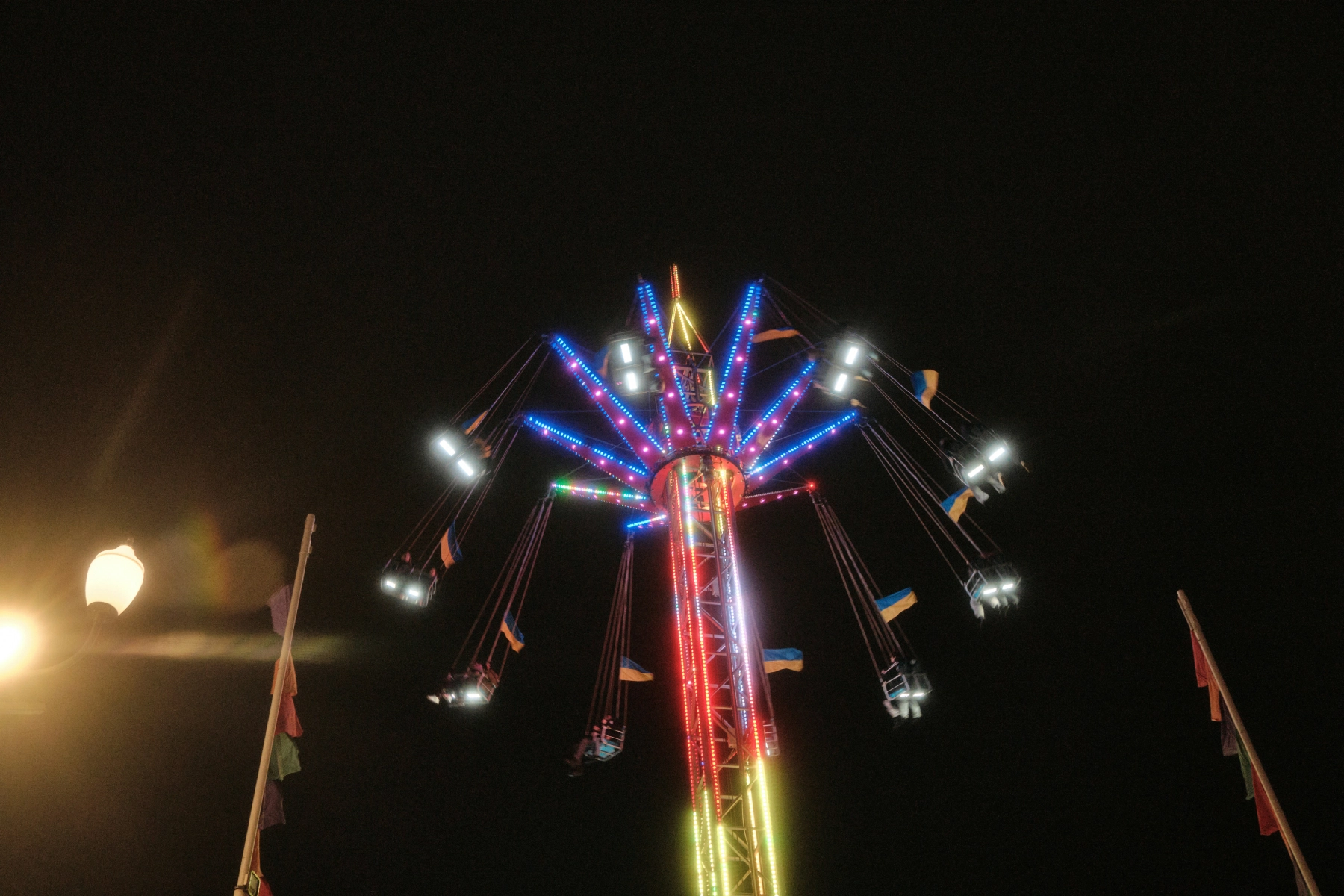
The Minnesota State Fair, the Great Minnesota Get-Together, is one of the largest and best-attended state fairs in the country. Held on its historic fairgrounds between St. Paul and Minneapolis for twelve days each late summer, it draws close to two million people through its gates.
The fair is a sensory overload in the best way: food on a stick, the roar of the midway, prize livestock, and crowds from every corner of the state. Running through Labor Day, it fills more than 320 acres with exhibits, vendors, stages, and barns, and the fairgrounds host events year-round.
Best Time to Visit
Late August through Labor Day for the fair itself.
Weekdays for smaller crowds than the packed weekends.
Early mornings or evenings to beat the midday crush.
Off-season for markets and events on the fairgrounds.
Highlights
The food: Cheese curds, Sweet Martha's cookies, and endless treats on a stick.
Rides and barns: The Mighty Midway, Kidway, and animal exhibits.
Grandstand shows: Big-name concerts and events each night.
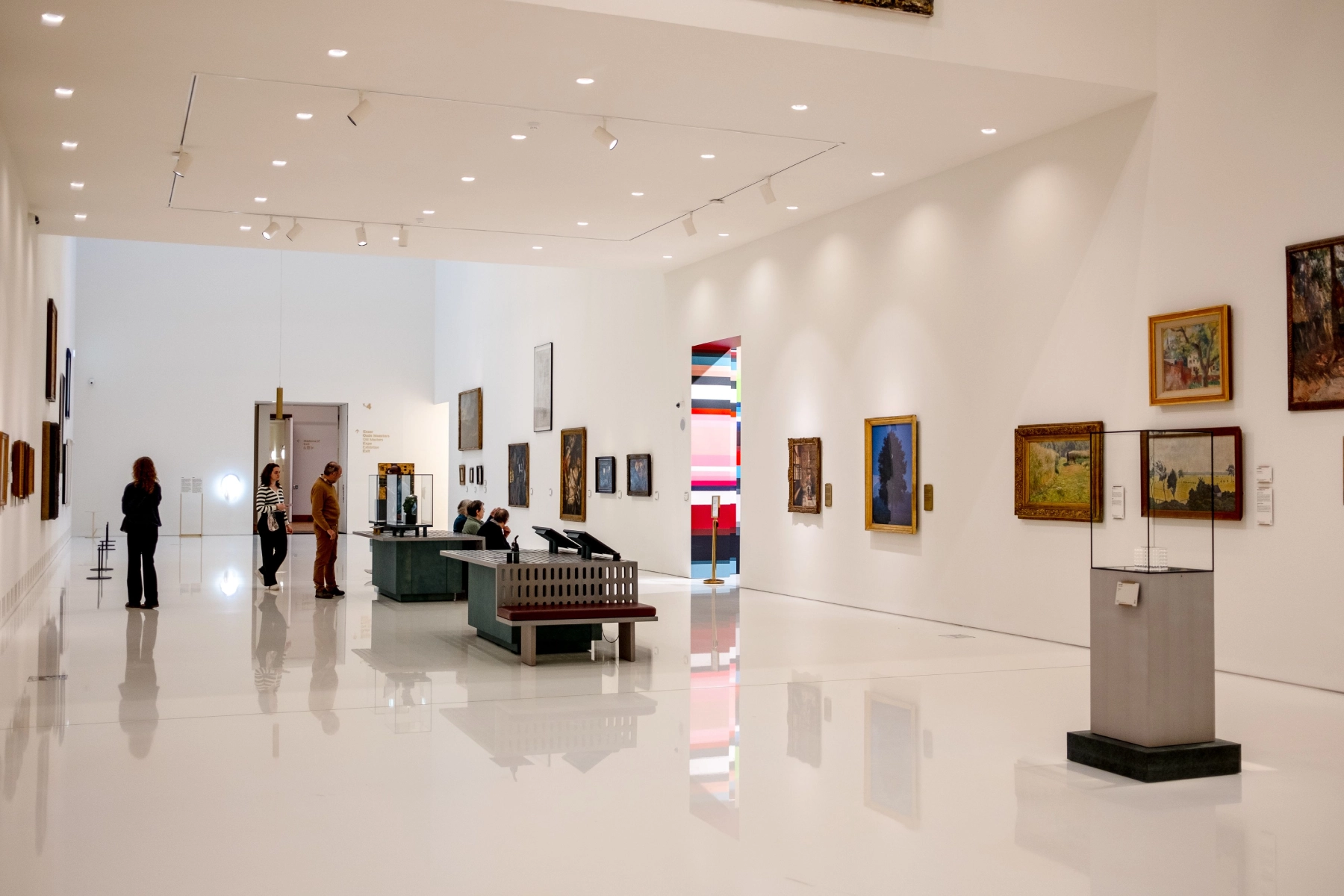
5. Minneapolis Institute of Art in Minneapolis, Minnesota
The Minneapolis Institute of Art, known locally as Mia, holds tens of thousands of works spanning five thousand years of human creativity. Set in the Whittier neighborhood just south of downtown, it is one of the finest art museums in the country, and general admission is free every day.
The encyclopedic collection moves from Egyptian antiquities and Chinese bronzes to European masters and contemporary design. Because it is free, Mia rewards short, focused visits as much as long ones, making it a place locals return to again and again.
Best Time to Visit
Weekday mornings for the quietest galleries.
Any day but Monday, when the museum is closed.
During a special exhibition for traveling and headline works.
Anytime as an engaging indoor destination.
Highlights
Free admission: World-class art open to everyone.
The Asian and European galleries: Among the finest collections in the country.
The period rooms: Fully reconstructed historic interiors.
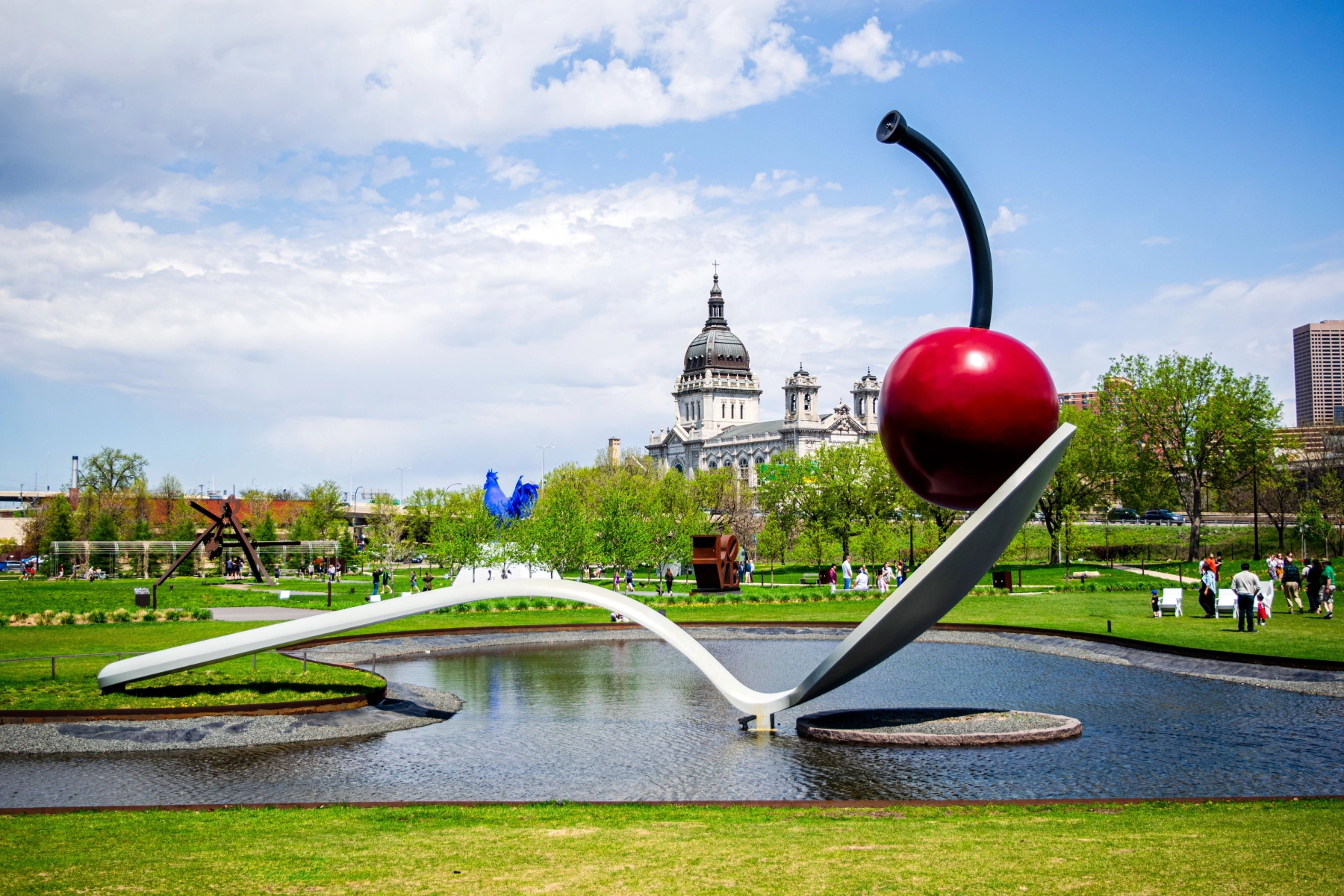
6. Walker Art Center & Sculpture Garden in Minneapolis, Minnesota
The Walker Art Center & Sculpture Garden pairs a leading contemporary art museum with one of the largest urban sculpture parks in the country. Set on a hill just west of downtown, it lets you study a challenging exhibition indoors, then step out to see art against the open sky.
The eleven-acre sculpture garden is free and open daily, anchored by the famous Spoonbridge and Cherry, an icon of Minneapolis itself. Inside, the Walker's galleries and its cinema and theater make it a year-round cultural hub.
Best Time to Visit
Early mornings for a quiet, well-lit sculpture garden.
Afternoons for the indoor galleries and exhibitions.
Evenings for the Walker's film and performance calendar.
Spring through fall for the garden at its best.
Highlights
The Spoonbridge and Cherry: The garden's whimsical, iconic centerpiece.
A free sculpture garden: Dozens of large-scale works with skyline views.
Contemporary galleries: Rotating modern art, film, and performance.
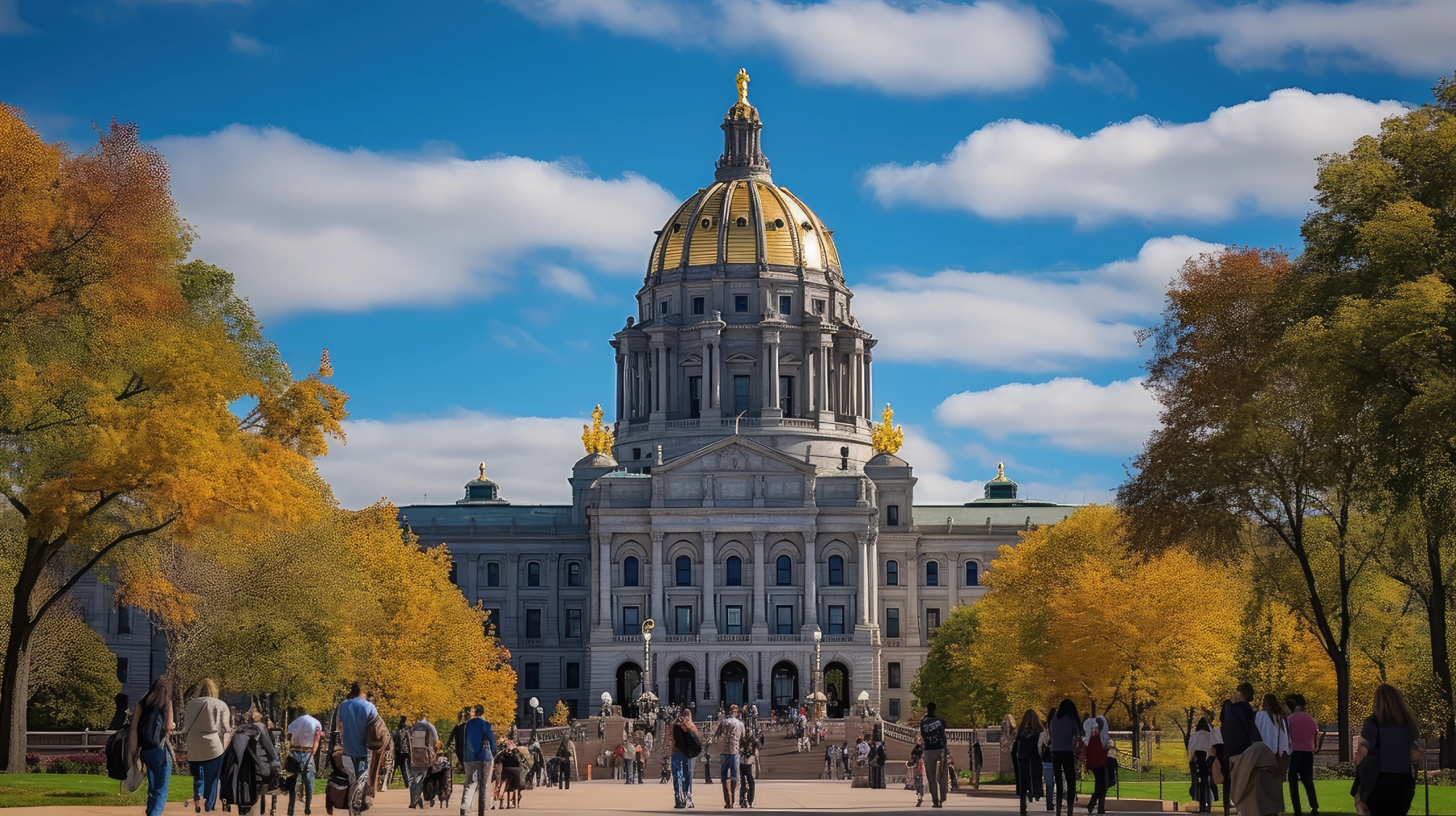
7. Minnesota State Capitol in St. Paul, Minnesota
The Minnesota State Capitol rises above downtown St. Paul with a vast white marble dome, widely regarded as one of the most beautiful state capitols in the country. Completed in 1905 and designed by Cass Gilbert, it remains the working seat of Minnesota's government.
The Capitol is both monument and living institution, drawing visitors to its art and architecture while lawmakers fill its halls. Free guided tours lead through the rotunda, chambers, and the famous gilded horses above the entrance, and the surrounding Capitol Mall offers grounds and memorials to explore.
Best Time to Visit
Weekday mornings for quieter guided tours.
During the legislative session to see government in action.
Spring and fall for pleasant weather on the Capitol Mall.
Midweek to pair with other downtown St. Paul stops.
Highlights
The marble dome: One of the largest self-supporting marble domes in the world.
The golden horses: The gilded Quadriga sculpture above the entrance.
Free tours: Guided walks through the rotunda and chambers.
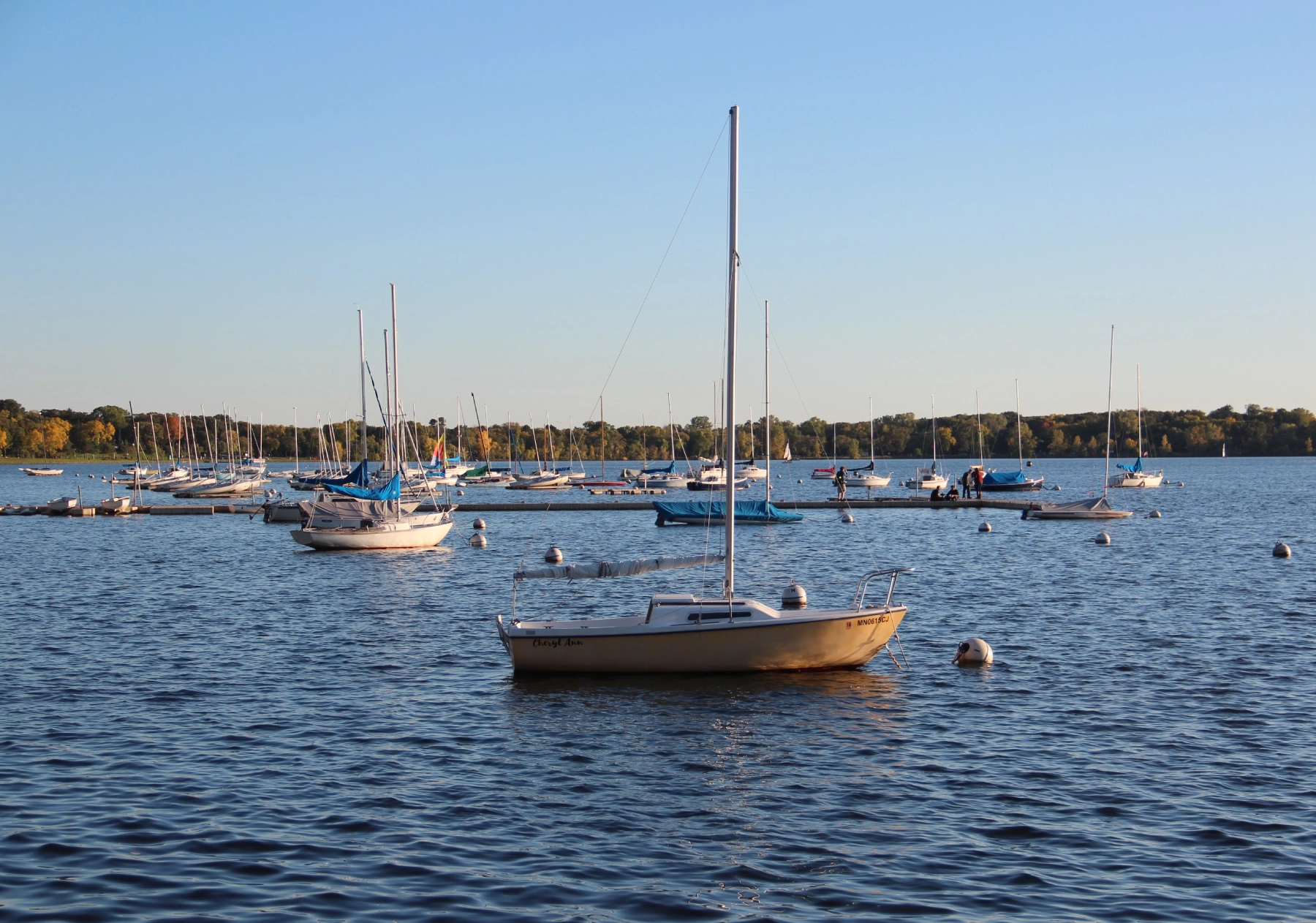
8. Bde Maka Ska & the Chain of Lakes in Minneapolis, Minnesota
Bde Maka Ska & the Chain of Lakes form a ribbon of connected lakes on the southwest side of Minneapolis, linked by channels and trails into one sprawling park. Bde Maka Ska, the largest lake in the city, sits at the heart of the chain.
The lakes are ringed by some of the best trails in the city, with separate loops for cyclists and walkers that connect into long rides. Add sailboats and paddleboards, swimming beaches, and the Lake Harriet Bandshell, and it is where Minneapolis comes to relax.
Best Time to Visit
Summer for beaches, sailing, and bandshell concerts.
Early mornings for calm water and quiet trails.
Fall for color around the lake loops.
Winter for skating, ice fishing, and lakeside skiing.
Highlights
The connected loops: Miles of lakeside trails linking several lakes.
On the water: Kayak, canoe, paddleboard, and sailboat rentals.
The Lake Harriet Bandshell: Free summer concerts by the water.
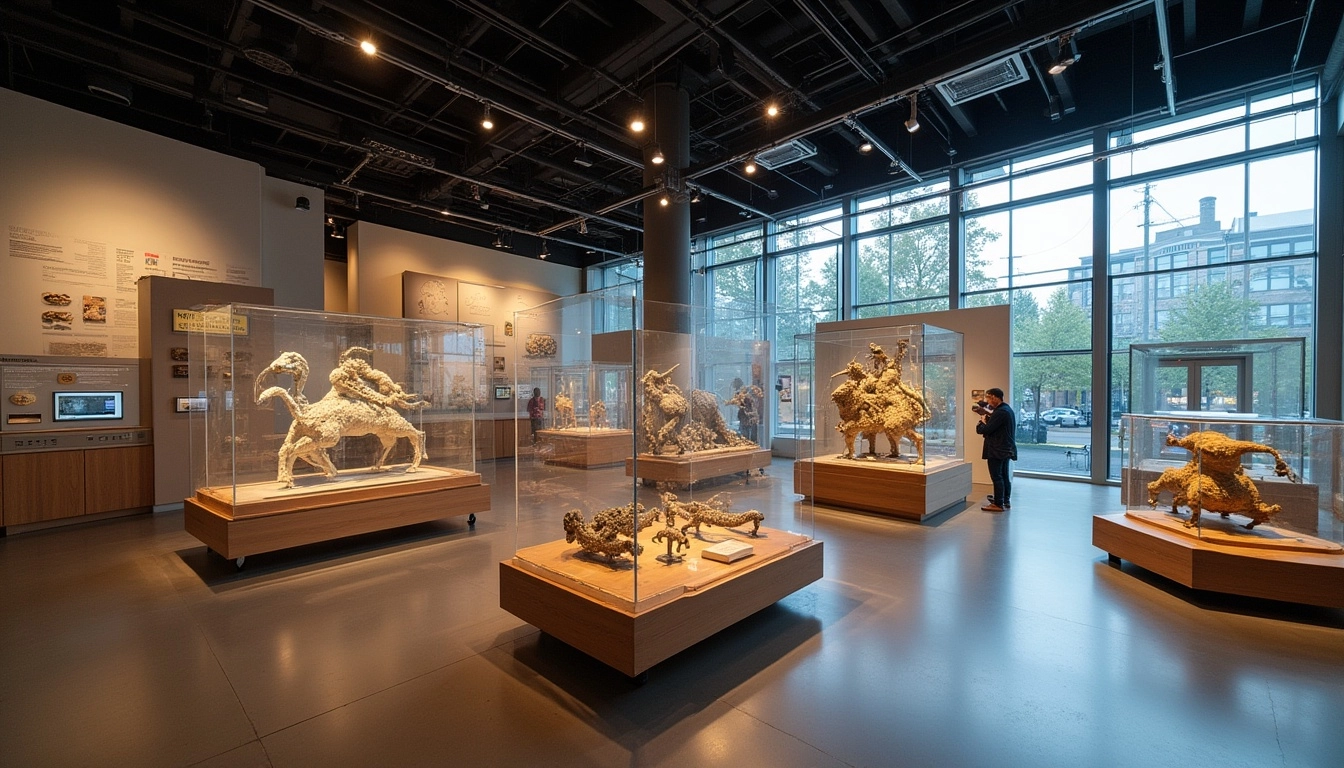
9. Science Museum of Minnesota in St. Paul, Minnesota
The Science Museum of Minnesota sits above the Mississippi River in downtown St. Paul, drawing around a million visitors a year to its dinosaurs, hands-on exhibits, and giant domed Omnitheater. It is one of the most beloved family destinations in the Twin Cities.
The museum blends serious science with genuine fun, covering everything from fossils and the human body to the Mississippi River right outside its windows. Interactive stations fill nearly every gallery, and rotating blockbuster exhibitions give even frequent visitors a fresh reason to return.
Best Time to Visit
Weekday mornings for a calmer visit with kids.
Around an Omnitheater showtime for the full experience.
During a special exhibition for headline shows.
Rainy or cold days as a perfect indoor destination.
Highlights
The dinosaurs: Towering fossils and paleontology galleries.
The Omnitheater: An immersive domed-screen theater.
Hands-on science: Interactive exhibits for every age.
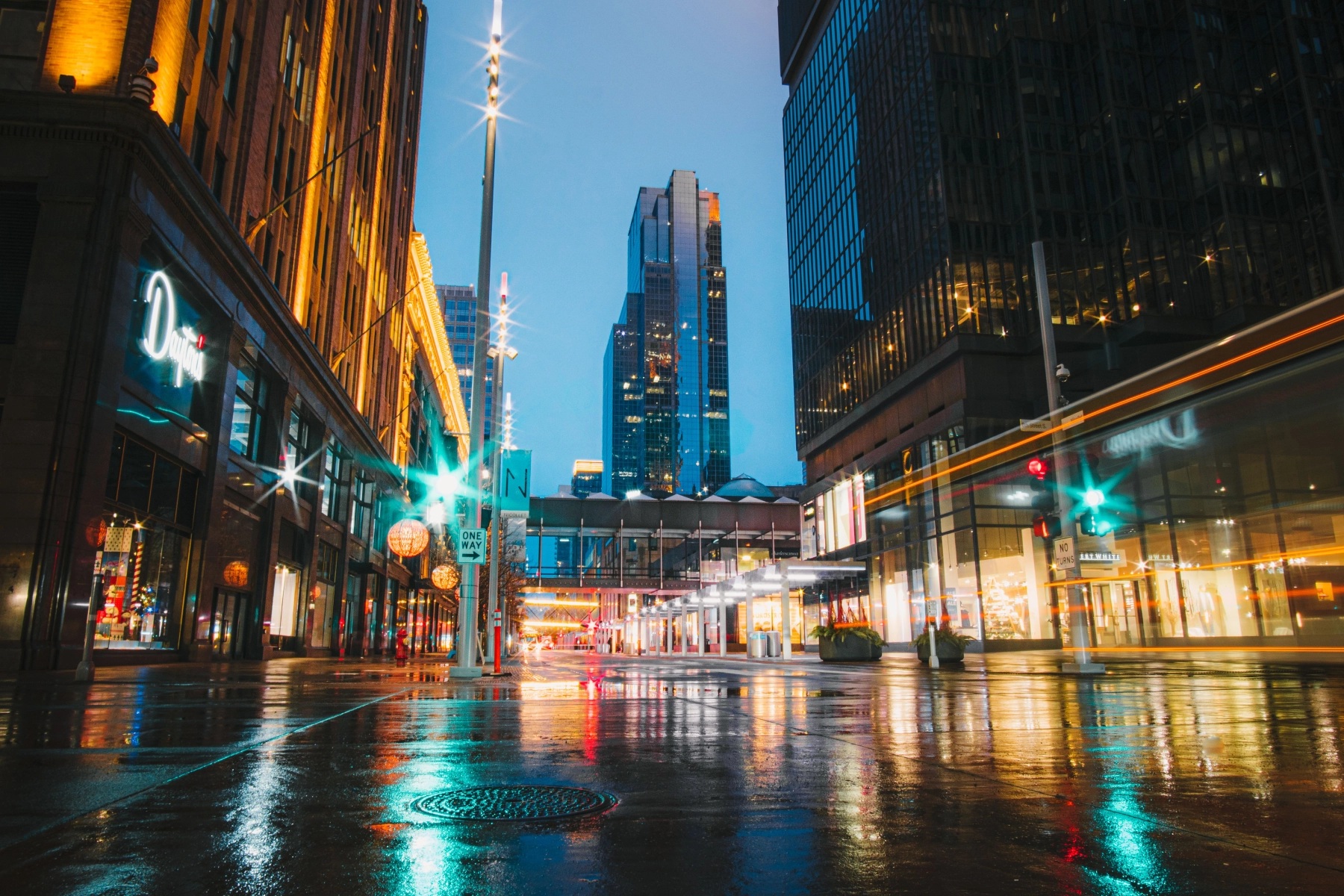
10. Nicollet Mall in Minneapolis, Minnesota
Nicollet Mall is the pedestrian heart of downtown Minneapolis, a dozen blocks of Nicollet Avenue closed to most traffic and lined with shops, restaurants, and public art. It is where downtown gathers, from weekday lunches to the summer farmers market and holiday strolls.
A major redesign refreshed the corridor with wide sidewalks, greenery, and gathering spaces, and it links directly into the city's skyway system. The Thursday farmers market, lunchtime crowds, and year-round events give the Mall its lived-in, communal feel.
Best Time to Visit
Midday for the liveliest lunch-hour energy.
Thursdays in season for the farmers market.
The winter holidays for lights and seasonal shopping.
Evenings for dinner along the corridor.
Highlights
A walkable corridor: Downtown's main pedestrian street.
Dining and shopping: The city center's commercial heart.
The farmers market: A warm-weather tradition along Nicollet.
Why the Twin Cities' Landmarks Stay With You
From a summer night at Target Field to the roar of a Wild game at the X, from the free galleries of Mia to the golden horses atop the Capitol, the Twin Cities consistently reward anyone who takes the time to explore them. A morning loop around Bde Maka Ska. The palm dome at Como in the dead of winter. A bucket of Sweet Martha's cookies at the State Fair. These are the experiences that stay.
As a managed IT services and cybersecurity provider based in the Twin Cities, RYMARK IT Navigation works alongside the businesses that keep the Minneapolis and St. Paul economy running. When your business needs IT support and cybersecurity that match the pace of the Twin Cities market, RYMARK IT is ready to help.
Explore the cities. Take your time. Minneapolis and St. Paul will introduce themselves one landmark at a time.
© Copyright 2026 RYMARK IT Navigation. Built in partnership with Tech Pro Marketing. | Privacy Policy

